I’m going to talk about something that blows a lot of anglers’ minds — where bass go in the winter, what they do, and how you CAN still catch them! A lot of people think winter means the rods go in the garage and stay there until spring. NO! Don’t do it! Even in the coldest part of the year, bass still have to eat. Winter is absolutely a time when you can catch some of the biggest fish of the entire year if you understand where they move and why.
Winter looks different depending on where you live. Up here in the Northeast; New Jersey, Upstate New York, Pennsylvania; you might launch the boat and see the water temperature at 37 or 38 degrees. That’s cold! But even down south you get winter conditions. In Florida, Texas, Louisiana, you’ll still wake up, put a heavy jacket on, and see water temps drop into the low 50s, sometimes even upper 40s. But no matter what part of the country you’re in, winter equals the coldest water and coldest air you’ll see all year.
So what does that do to the fish? In the fall, bass spread out. They’re in the backs of creeks, pockets, flats, anywhere the bait is. They’re feeding like crazy. But once the water starts dropping, those fish begin sliding out. They leave the flats and pockets and head toward the areas where they’ll spend the winter.
Where is that? They are headed to the deepest, most vertical break areas in the entire lake or river. That is the wintertime secret that works in Minnesota, in Georgia, in Arizona, and everywhere in between.
When you pull up your mapping, whether it’s a paper topo map, or on your electronics like your Lowrance C-Map or even mapping apps, look for contour lines that are tight together. Tight lines equal steep drops. That’s where winter bass live.
Good examples of winter structure include:
- 45-degree banks
- Riprap dams and causeways
- Main-lake points where a creek channel swings against them
- Bridge pilings
- Bluffs and vertical walls
- Deep docks with 10+ feet under them
- Channel ledges
Why do they love these steep areas? Because winter bass are lethargic. Their metabolism slows way down. A steep break lets them move from deep to shallow, or shallow to deep, by traveling just a few feet instead of hundreds of yards. It saves energy, and in winter, energy is everything.
And here’s the second key: their food moves there too. Shad, herring, smelt, bluegill, perch, all those baitfish slide off the flats and move toward deeper, more stable water. Even two or three degrees warmer can make the difference between living and dying for a baitfish. And trust me… the bass know that.
Now once you’re in those steep break zones, let’s talk cover. In the winter, I LOVE hard cover targets like rock, wood, gravel, metal, concrete, clay. Hard cover absorbs heat from the sun, even if the air is freezing, and bass will snuggle right up to it.
But don’t rule out grass. If you find living, green grass near a drop, something like milfoil, hydrilla or coontail, those bass will absolutely use it in the winter. And in the southern states, don’t overlook dead matted vegetation like hyacinth mats, pennywort mats, and dead lily pads. Even dead mats hold heat, just like hard cover, and can be dynamite when they’re sitting close to deep water.
Let’s get into the good stuff: the baits and equipment you need to catch these winter fish.
Because the water is cold, everything in the lake slows down, the bait, the bugs, the crawfish, and the bass themselves. So your lures and retrieves have to slow down too. Match the hatch, but fish your bait the way the forage actually moves in winter.
Here are my top winter baits and gear:
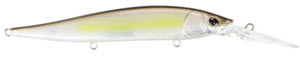
1. Suspending Jerkbait – Berkley Stunna 112 or 112+
This is one of the BEST winter lures ever made. Cast it out, crank it down, give it a couple sharp twitches… and then PAUSE. And I mean a long pause like 5, 10, sometimes even 12 seconds. That dying-shad look drives winter bass nuts.
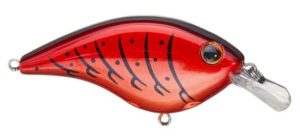
2. Tight-Wobble Crankbait – Berkley Frittside
The Frittside has that classic flat-sided, tight wobble that shines in cold water. Crawl it SLOW along riprap, hard clay, and 45-degree rock banks.
3. Blade Bait – like a Silver Buddy or Molix Trago Vib
Perfect around vertical structure like bridge pilings, channel swings, bluffs. Short hops. Let it fall on semi-slack line.
4. Jigging Spoon – 1/2–3/4 oz Hopkins or similar
Drop it on bait balls. Yo-yo it off bottom. Great when fish are grouped up deep.

5. Ned Rig, Jig, or Drop Shot (Berkley MaxScent Flat Worm, PowerBait Chigger Craw, Half-Head Jig)
These bottom baits imitate crawfish and winter bugs. Fish them slow. I mean SLOW. Drag. Pause. Drag. Count rocks as you go.
Here’s the takeaway, guys: You CAN catch bass in winter. Focus on the three big things:
- Coldest water of the year
- Steep, vertical breaks
- Slow-moving, realistic winter baits
Do that, and you’re going to catch fish even when the lake looks dead and everybody else is hunting or staying home.
Stay warm, fish slow, and keep your rods out because winter is BIG FISH time!
____________________________________________________________________________
Follow Ike on Facebook, Instagram, X and TikTok for fishing and fun content. Subscribe to Mike’s YouTube channel for access to his educational ‘Ike in the Shop’ videos and his ‘Going Ike’ Adventure series!