Let’s talk about one of the biggest debates in bass fishing, fluorocarbon versus monofilament fishing line. Which one is better? The truth is, you need both. Just like rods, reels, and baits, fishing line is a tool, and the key is knowing when to use each one. Certain situations call for fluorocarbon, and others call for monofilament. The goal is simple: pick the line that makes your bait work better and helps you catch more fish. Today I’m going to break it down into four scenarios that will help you decide when fluorocarbon wins and when mono takes the lead.
Water Depth: Deep or Shallow?
The first thing you have to think about is where you want your bait in the water column.
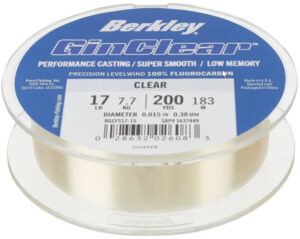
If you want your lure to get down deep, fluorocarbon wins every time. Fluorocarbon is naturally dense and sinks, which helps your bait reach deeper water faster and stay down where the fish are. Lines like Berkley GinClear Fluorocarbon Fishing Line are designed with a thin diameter and strong abrasion resistance to help anglers fish deeper presentations effectively.
Fluorocarbon shines when you’re fishing techniques like:
- Dragging a football jig or Texas rig in deep water
- Fishing finesse presentations like a drop shot, Neko rig, or wacky jighead
- Throwing deep-diving crankbaits like the Berkley Dime
- Working lipless baits like the Berkley Warpig or Berkley Jack
Because fluorocarbon sinks, it helps those baits reach maximum depth faster, which is especially important when you’re targeting fish you see on forward-facing sonar.
Now let’s flip it around.
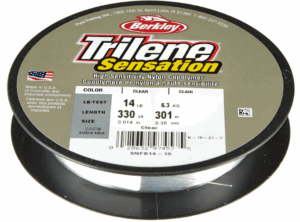
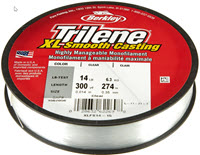
If you want your bait to stay high in the water column, monofilament gets the nod. Monofilament naturally floats and is buoyant, which helps keep your lure elevated. Classic mono options like Berkley Trilene Sensation Monofilament Fishing Line or Berkley Trilene XL Monofilament Line are known for their flexibility and easy casting.
Monofilament works great for:
- Topwater baits (like buzzbaits & walking baits)
- Squarebill crankbaits
- Spinnerbaits and chatterbaits in shallow water
- Soft plastics like flukes or stick baits near the surface
So remember the simple rule:
Fluorocarbon for depth. Monofilament for keeping your bait high.
Water Clarity: Clear vs. Dirty Water
The next big factor is water clarity, and this one is pretty straightforward.
When you’re fishing clear water, fluorocarbon is the clear winner. One of the biggest advantages of fluorocarbon is that it’s nearly invisible underwater, which gives anglers a big edge when fish are pressured or cautious.
In ultra-clear lakes or reservoirs, bass can easily see your line. If they detect it, they may hesitate or refuse the bait. That’s why fluorocarbon works so well for:
- Clear-water fisheries
- Sight fishing
- Finesse techniques
- Highly pressured lakes
Because fluorocarbon disappears underwater, it allows the lure to look more natural.
Now in stained or dirty water, fish rely less on sight and more on vibration and movement. In those conditions, monofilament works perfectly fine. The fish simply can’t see the line well enough for it to matter.
So the rule here is simple:
- Clear water → Fluorocarbon
- Dirty water → Mono works just fine
Water Current: Moving vs. Still Water
The third factor is current, and this applies to more fisheries than people realize.
You might see current in:
- Rivers and stream
- Tidal fisheries
- Reservoir generation
- Heavy wind
- Boat traffic pushing water
When you’re fishing current, fluorocarbon usually wins.
Because fluorocarbon sinks and has a smaller diameter, it allows your bait to move naturally with the flow of the water. That means your lure drifts in a realistic way instead of being dragged by the line.
For example, if you throw a weightless wacky rig upstream with fluorocarbon, it will drift naturally downstream with the current.
If you try the same thing with monofilament, the floating line can act almost like a parachute, slowing the bait down and creating an unnatural presentation.
So when you’re dealing with current or moving water, fluorocarbon typically gets the advantage.
Stretch and Sensitivity
The last category is stretch and sensitivity, and this is where things get really interesting.
Fluorocarbon generally has less stretch and more sensitivity than monofilament. That means you can feel everything; your bait, the bottom, and even subtle bites.
Fluorocarbon is ideal when you want minimum stretch and maximum feel for techniques like::
- Jigs
- Texas rigs
- Drop shots
- Crankbaits
- Vibrating jigs
More sensitivity means you detect bites faster and react quicker.
But there are times when stretch is actually a good thing.
Monofilament naturally has more stretch, and that can help prevent you from pulling the bait away from a fish too quickly. That’s especially important with:
- Topwater baits
- Walking baits like the Berkley J Walker
- Some crankbait situations
When a bass blows up on a topwater, your instinct is to set the hook immediately. The stretch in monofilament helps delay the hookset just enough for the fish to fully eat the bait.
Sometimes that stretch means more fish in the boat.
The Bottom Line
At the end of the day, both fluorocarbon and monofilament deserve a place on your deck. Each line has strengths, and understanding when to use each one will make you a better angler.
The best anglers don’t rely on just one line. They understand the strengths of both and use them to make their baits work better and ultimately catch more bass.
____________________________________________________________________________
Follow Ike on Facebook, Instagram, X and TikTok for fishing and fun content. Subscribe to Mike’s YouTube channel for access to his educational ‘Ike in the Shop’ videos and his ‘Going Ike’ Adventure series!