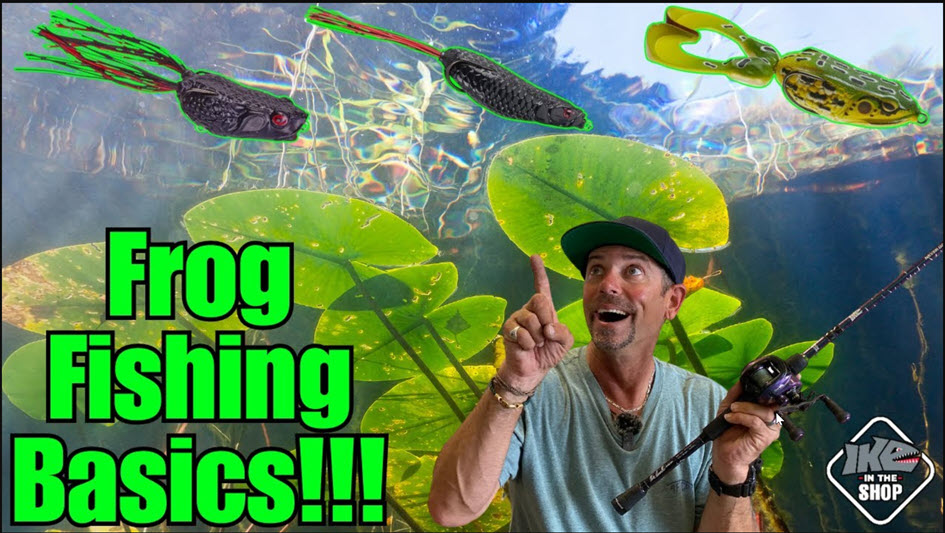
Let’s talk about one of my all-time favorite ways to catch bass, frog fishing! If you ask me what technique creates the most heart-pounding strikes in all of bass fishing, my answer is easy: a hollow-bodied frog. There is nothing like watching a giant bass explode through a mat of grass and completely annihilate your bait. The great thing about frog fishing is that it’s not just a summertime technique. As soon as water temperatures reach the mid-50s, a frog can become a player. From pre-spawn through late fall, a frog will help you catch fish in places where most other lures can’t go. Whether you’re fishing grass, pads, wood, duckweed, or open water, frog fishing gives you the ability to target bass in some of the nastiest cover they live in.
One of the biggest mistakes I see anglers make is thinking all frogs are the same. Just like jigs and crankbaits, different frogs are designed for different jobs.
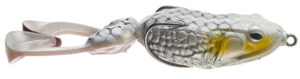
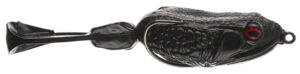
Over the years, I’ve simplified my frog selection into three basic categories. First is a walking frog like the Molix Sneaky Frog, which excels when you want to cover water and create a side-to-side action. Second is a popping frog like theMolix Pop Frog, which is perfect for fishing isolated targets and slowing your presentation down. Finally, there’s theMolix Supernato Frog, a buzzing-style frog that shines
in windy conditions, low-light periods, and around heavy vegetation with open holes. Here’s a quick breakdown of when I use each:
Molix Sneaky Frog – Covering water, sparse vegetation, docks, and heavy mats.
Molix Pop Frog – Fishing isolated targets, bluegill beds, and stained water.
Molix Supernato Frog – Windy days, low-light conditions, and matted vegetation with open holes.
If you have these three frog styles in your tackle box, you’ll be prepared for almost every frog fishing situation you’ll encounter throughout the season.
When it comes to color, I keep things incredibly simple. You don’t need twenty different frog colors to catch bass. I pay attention to what the bass are naturally feeding on. If they’re chasing shad, I lean toward white. If they’re feeding on bluegills or darker forage, I’ll often throw a darker frog or one with some yellow and orange on the belly. Sometimes I’ll even add a little orange marker to the throat of a bluegill-colored frog to make it look more natural. Keeping your color selection simple allows you to focus on location, presentation, and confidence, three things that matter a lot more than having a hundred different colors.
In fact, I rely on just three basic colors to start:
Black for cloudy days, low-light conditions, and dirty water
White for sunny days and clearer water.
Bluegill patterns when bass are feeding around bluegill beds or guarding nests.
Now let’s talk frog modifications. Before I ever tie on a frog, I make a few simple adjustments. The first thing I do is trim the legs because most frogs come out of the package with skirts that are way too long. I cut them shorter and angle the cuts to create more movement. Next, I use pliers to slightly bend the hook points away from the body. This tiny adjustment can dramatically improve your hookup percentage without making the frog any less weedless. Finally, when I’m fishing dirty water, thick mats, or low-light conditions, I’ll add a tube rattle inside the frog. That extra sound helps bass locate the bait and can make a huge difference when visibility is limited. These little adjustments only take a few minutes, but they can turn missed strikes into fish in the boat.
Leader: None—straight braid tied directly to the frog
That setup gives me the power to drive the hooks home and pull fish out of the thickest cover imaginable. Pair it with the right frog for the conditions, and you’re ready for some of the most exciting fishing of the year.
Frog fishing is one of the few techniques where every cast could produce an explosive strike. Keep your frog selection simple, make a few key modifications, and use the proper equipment, and you’ll put more bass in the boat from spring all the way through fall. Trust me, once you experience a giant bass blowing up on a frog, you’ll be hooked for life.
Follow Ike onFacebook, Instagram,X andTikTok for fishing and fun content. Subscribe toMike’s YouTube channel for access to his educational ‘Ike in the Shop’ videos and his ‘Going Ike’ Adventure series!
This Site Made Possible By These Great Sponsors
Enter your email address below to subscribe to Mike Iaconelli’s newsletter. We’ll send you a verification link & how to download your FREE “Ike’s Top Baits” PDF!